

In the sterile corridors of Birmingham Women's and Children's NHS Foundation Trust, a young man named James Stokes carries himself with the measured poise of someone who has found his place. His smart shoes whisper against the floor as he exchanges pleasantries with colleagues—some by name, others with the familiar currency of a "hello there."

James carries his identification not merely as a security requirement but as a testament of belonging. It hangs against a neatly presented outfit that gives no indication of the challenging road that preceded his arrival.
What sets apart James from many of his colleagues is not obvious to the casual observer. His bearing discloses nothing of the fact that he was among the first recruits of the NHS Universal Family Programme—an initiative crafted intentionally for young people who have spent time in care.
"I found genuine support within the NHS structure," James says, his voice measured but revealing subtle passion. His observation captures the essence of a programme that strives to transform how the enormous healthcare system perceives care leavers—those often overlooked young people aged 16-25 who have transitioned from the care system.
The numbers tell a troubling story. Care leavers frequently encounter greater psychological challenges, money troubles, housing precarity, and lower academic success compared to their peers. Behind these cold statistics are individual journeys of young people who have navigated a system that, despite genuine attempts, regularly misses the mark in providing the stable base that forms most young lives.
The NHS Universal Family Programme, initiated in January 2023 following NHS England's promise to the Care Leaver Covenant, represents a profound shift in systemic approach. Fundamentally, it acknowledges that the complete state and civil society should function as a "universal family" for those who haven't known the security of a traditional family setting.
Ten pioneering healthcare collectives across England have led the way, developing frameworks that reimagine how the NHS—one of Europe's largest employers—can open its doors to care leavers.
The Programme is meticulous in its approach, starting from thorough assessments of existing procedures, forming governance structures, and obtaining senior buy-in. It understands that meaningful participation requires more than lofty goals—it demands concrete steps.
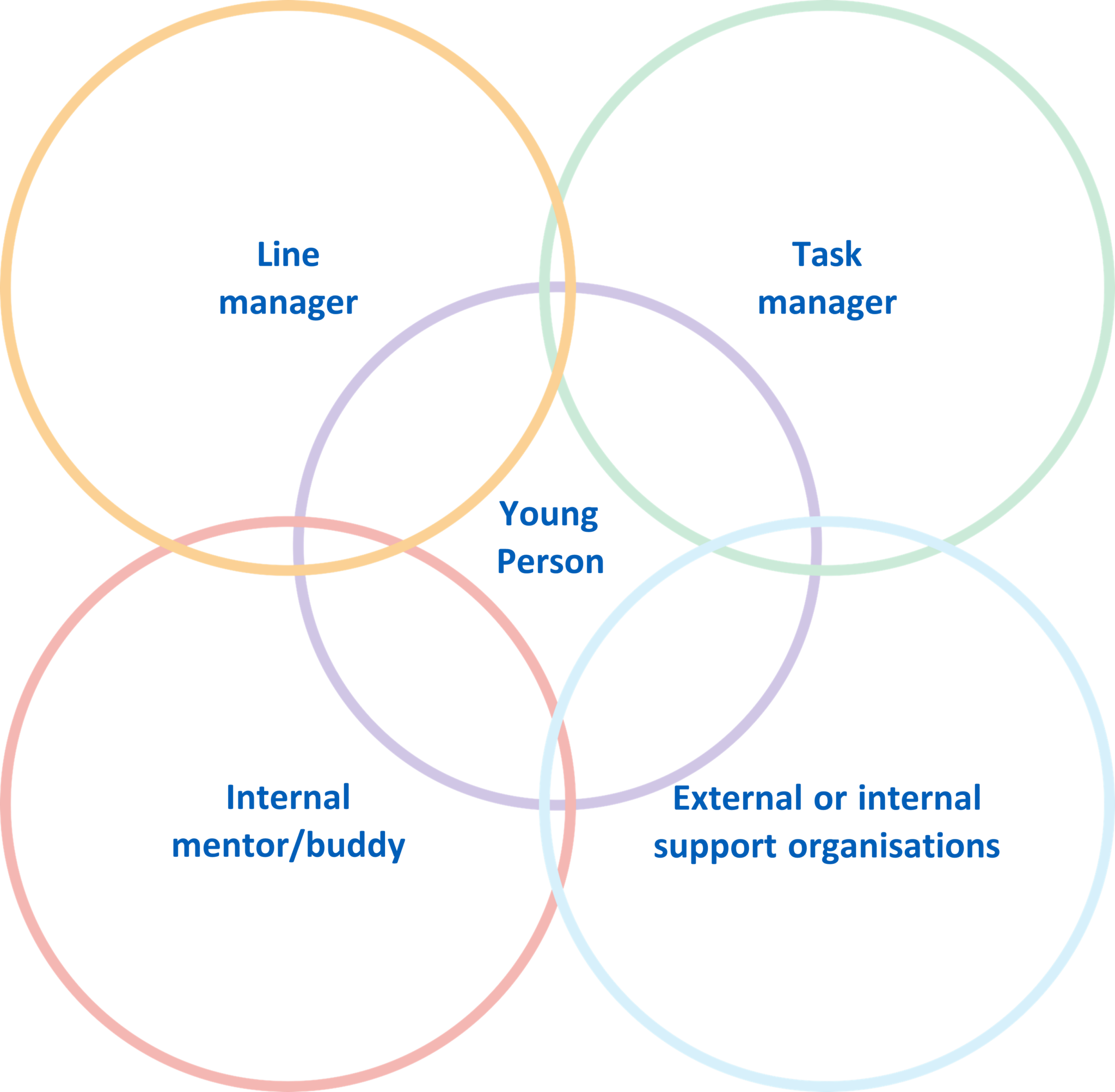
In NHS Birmingham and Solihull ICB, where James found his footing, they've developed a consistent support system with representatives who can offer assistance and counsel on mental health, HR matters, recruitment, and equality, diversity, and inclusion.
The standard NHS recruitment process—rigid and possibly overwhelming—has been thoughtfully adapted. Job advertisements now highlight character attributes rather than numerous requirements. Application procedures have been reimagined to accommodate the particular difficulties care leavers might experience—from not having work-related contacts to having limited internet access.
Maybe most importantly, the Programme acknowledges that beginning employment can present unique challenges for care leavers who may be managing independent living without the safety net of familial aid. Issues like commuting fees, proper ID, and banking arrangements—considered standard by many—can become significant barriers.
The beauty of the Programme lies in its thorough planning—from outlining compensation information to providing transportation assistance until that essential first wage disbursement. Even ostensibly trivial elements like break times and workplace conduct are thoughtfully covered.
For James, whose career trajectory has "revolutionized" his life, the Programme delivered more than work. It offered him a perception of inclusion—that intangible quality that grows when someone is appreciated not despite their history but because their unique life experiences improves the institution.
"Working for the NHS isn't just about doctors and nurses," James notes, his expression revealing the subtle satisfaction of someone who has discovered belonging. "It's about a community of different jobs and roles, a family of people who genuinely care."
The NHS Universal Family Programme represents more than an work program. It exists as a powerful statement that organizations can change to embrace those who have experienced life differently. In doing so, they not only change personal trajectories but enrich themselves through the distinct viewpoints that care leavers provide.
As James moves through the hospital, his participation silently testifies that with the right assistance, care leavers can flourish in environments once deemed unattainable. The support that the NHS has extended through this Programme represents not charity but recognition of overlooked talent and the essential fact that each individual warrants a support system that champions their success.



