


Erectile dysfunction (ED) is a prevalent condition affecting tens of millions of men worldwide, characterized by the lack to attain or maintain an erection sufficient for passable sexual efficiency. The landscape of ED treatment has evolved considerably over the previous few decades, notably with the introduction of oral phosphodiesterase type 5 (PDE5) inhibitors like sildenafil (Viagra), tadalafil (Cialis), vardenafil (Levitra), and avanafil (Stendra). While these medications remain the cornerstone of ED treatment, recent advances in pharmacology and technology have introduced new options that promise to reinforce efficacy, improve patient adherence, and address the underlying causes of erectile dysfunction.
1. Novel PDE5 Inhibitors
While the unique PDE5 inhibitors have been extensively successful, researchers proceed to discover new compounds that will supply improved efficacy or fewer uncomfortable side effects. For example, the development of subsequent-technology PDE5 inhibitors focuses on offering sooner onset of motion and longer duration of effect. One such compound, udenafil, has shown promise in clinical trials for its speedy absorption and prolonged action, doubtlessly making it an appropriate various for patients who could not reply well to conventional PDE5 inhibitors.
2. Mixture Therapies
Recent studies have indicated that combining PDE5 inhibitors with other classes of medications might enhance treatment outcomes. For instance, the mix of a PDE5 inhibitor with a low dose of testosterone replacement therapy has been shown to improve erectile operate in males with low testosterone ranges. This strategy not only addresses the symptoms of ED but in addition tackles hormonal imbalances which will contribute to the condition.
Moreover, combining PDE5 inhibitors with different agents similar to alprostadil, a prostaglandin E1 analog, has been investigated. This mixture therapy might be significantly helpful for males with more severe types of ED or those who haven't responded to monotherapy.
3. Gene Therapy
Gene therapy represents a groundbreaking method to treating erectile dysfunction by focusing on the underlying biological mechanisms. Researchers are exploring the usage of gene delivery methods to introduce genes that code for proteins involved in penile erection. For example, the supply of genes encoding endothelial nitric oxide synthase (eNOS) aims to reinforce nitric oxide manufacturing, thereby improving blood circulation to the penis. Early clinical trials have proven promising results, and while gene therapy is still in its infancy, it holds the potential for a protracted-lasting solution to ED.
4. Stem Cell Therapy
Stem cell therapy is another innovative method being explored for the treatment of erectile dysfunction. The use of stem cells, particularly adipose-derived stem cells (ADSCs), has been shown to promote tissue regeneration and enhance erectile operate in animal fashions. Preliminary human studies have indicated that stem cell injections into the penile tissue may result in improved erectile function and elevated penile blood movement. Although more research is needed to ascertain the security and efficacy of this treatment, stem cell therapy could revolutionize the management of ED sooner or later.
5. Vacuum Erection Units (VEDs)
While not a remedy, vacuum erection units have gained renewed interest as a non-invasive treatment option for erectile dysfunction treatment dysfunction. Latest developments in VED technology have made these devices more consumer-friendly and effective. Fashionable VEDs are often equipped with stress sensors and automatic pumps, making them easier to make use of and reducing the risk of damage. These units can be notably beneficial for men who prefer non-pharmacological choices or those that can not take PDE5 inhibitors due to contraindications.
6. Psychological and Behavioral Approaches
Recognizing that erectile dysfunction can have psychological elements, recent advances have additionally focused on integrating psychological and behavioral therapies into the treatment plan. Cognitive-behavioral therapy (CBT) and sex therapy have been shown to be effective in addressing performance anxiety and relationship issues that may exacerbate ED. Incorporating these approaches alongside pharmacological treatments can lead to improved outcomes and overall satisfaction.
7. Lifestyle Modifications
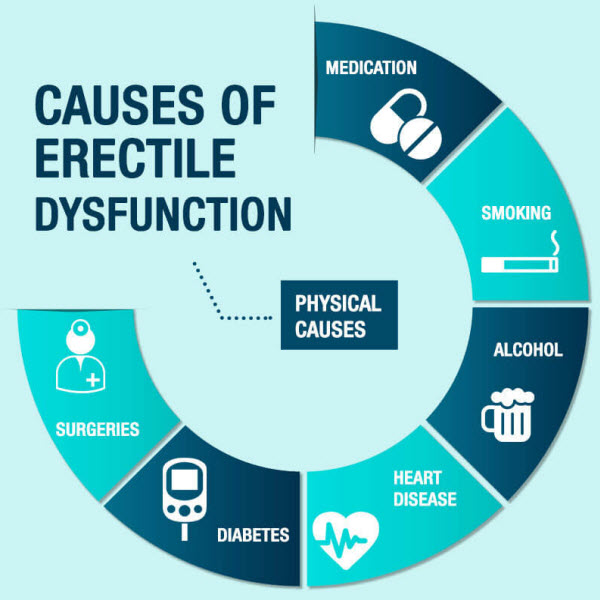
The significance of lifestyle factors in the management of erectile dysfunction cannot be overstated. Recent research emphasizes the position of food regimen, train, and weight administration in improving erectile function. Research have proven that adopting a Mediterranean food plan, wealthy in fruits, vegetables, complete grains, and wholesome fats, can considerably improve erectile operate. Furthermore, common physical activity has been linked to higher erectile well being, because it enhances cardiovascular well being and reduces the danger of conditions like diabetes and hypertension that contribute to ED.
8. Personalized Medication
The way forward for erectile dysfunction treatment (metro-estates.ch) lies in personalized drugs, where therapies are tailored to the individual patient’s needs and underlying causes of ED. Advances in genetic testing and biomarkers might present insights into which treatments are most prone to be effective for specific patients. This approach not solely enhances treatment efficacy but also minimizes the danger of hostile results and improves affected person satisfaction.
9. Rising Pharmacological Brokers
Along with PDE5 inhibitors, other pharmacological agents are being investigated for his or her potential in treating erectile dysfunction. For instance, the use of melanocortin receptor agonists, equivalent to PT-141 (bremelanotide), has proven promise in clinical trials. Unlike PDE5 inhibitors, which work by enhancing blood stream, PT-141 acts on the central nervous system to reinforce sexual arousal. This unique mechanism of motion may profit men with psychogenic ED or those who don't respond to conventional treatments.
Conclusion
The treatment panorama for erectile dysfunction is rapidly evolving, with numerous advances in medications and therapeutic methods that provide hope for males affected by this condition. From novel PDE5 inhibitors and mixture therapies to reducing-edge approaches like gene therapy and stem cell treatment, the future of ED administration appears to be like promising. As research continues to uncover the complexities of erectile dysfunction, a extra personalized and holistic method will likely result in improved outcomes and enhanced high quality of life for hundreds of thousands of males worldwide. It is important for patients to consult with healthcare professionals to discover probably the most appropriate treatment options tailored to their individual needs, ensuring efficient management of erectile dysfunction.




