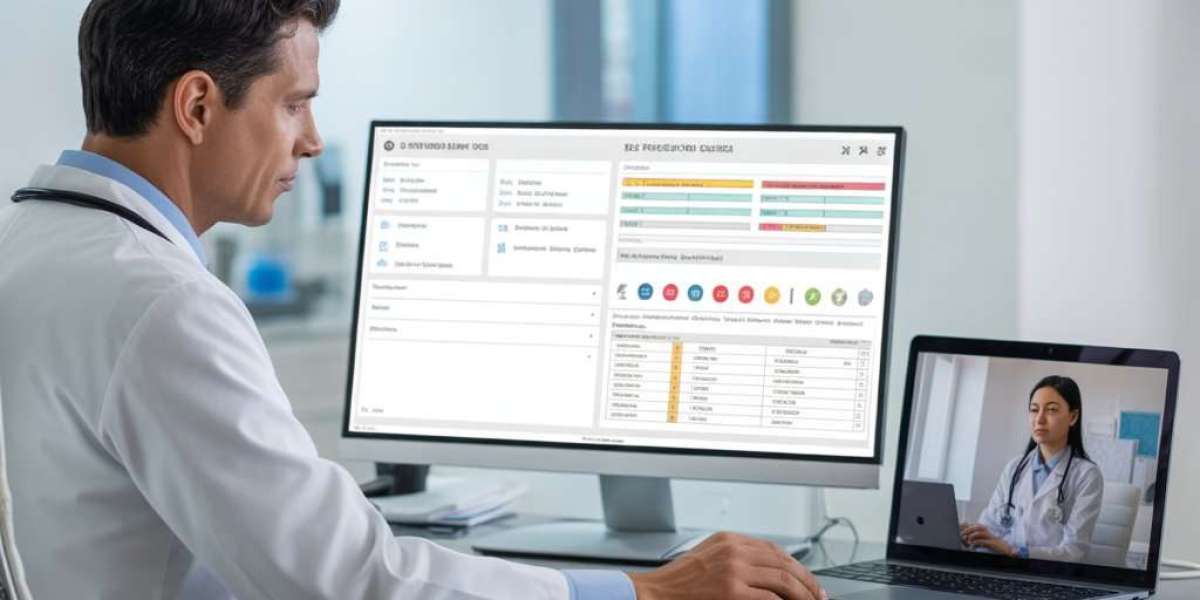

Introduction: Why Structured Clinical Data Is the Backbone of Modern Healthcare
In today’s healthcare ecosystem, data is more than just documentation—it is the foundation of clinical decision-making, regulatory compliance, reimbursement accuracy, and long-term patient outcomes. Every diagnosis, lab result, prescription, and follow-up plan contributes to a growing repository of clinical information. However, the value of this information depends heavily on how it is organized. When data is inconsistent, incomplete, or unstructured, it becomes difficult to analyze, report, or act upon effectively.
Structured clinical data—standardized, coded, and systematically organized information within electronic health records (EHRs)—enables healthcare providers to deliver precise care, track outcomes, and meet quality reporting standards. Yet maintaining structured data requires meticulous attention to detail and significant administrative effort. Providers often find themselves burdened with time-consuming documentation tasks that divert focus from patient care.
This is where virtual medical assistant services are transforming healthcare administration. By supporting documentation workflows, ensuring data accuracy, and organizing patient information within EHR systems, virtual medical assistants (VMAs) play a crucial role in maintaining structured clinical data. Their contribution goes beyond clerical support; they strengthen the integrity of healthcare operations.
In this blog, we explore how virtual medical assistants in maintaining structured clinical data are reshaping medical documentation processes, enhancing compliance, improving reporting accuracy, and enabling clinicians to focus on what matters most—patient care.
Understanding Structured Clinical Data
Structured clinical data refers to information that is entered into predefined fields within an EHR system using standardized formats, such as drop-down menus, coded entries (ICD-10, CPT, SNOMED), and templates. Unlike free-text notes, structured data allows for:
Consistent documentation
Automated reporting
Quality metric tracking
Population health analysis
Accurate billing and coding
Clinical decision support
For example, entering a diagnosis using an ICD-10 code rather than a free-text description ensures the data can be analyzed across systems and used for reporting, reimbursement, and clinical research.
Without proper structuring, data becomes fragmented and difficult to interpret. Over time, inconsistent entries compromise clinical accuracy and financial performance.
The Documentation Challenge in Modern Practices
Healthcare providers face increasing documentation requirements driven by:
Value-based care models
Regulatory reporting mandates
Insurance billing standards
Quality performance metrics
Risk adjustment documentation
Physicians often spend hours each day updating patient charts, reviewing histories, reconciling medications, and ensuring compliance with coding standards. The pressure to document thoroughly and accurately can lead to fatigue and administrative overload.
Maintaining structured clinical data demands precision and consistency—qualities that require dedicated time and specialized knowledge. When providers are rushed, documentation may default to free-text notes, increasing the risk of incomplete or non-standardized data.
The Expanding Role of Virtual Medical Assistants
Virtual medical assistants are trained professionals who remotely support healthcare practices with administrative and documentation tasks. Unlike general administrative assistants, VMAs understand medical terminology, coding frameworks, compliance requirements, and EHR workflows.
Through virtual medical assistant services, practices gain structured support in managing clinical documentation without increasing in-house staffing burdens.
Key Responsibilities in Maintaining Structured Clinical Data
1. Pre-Charting and Data Preparation
Before patient visits, VMAs can:
Review prior visit notes
Update medication lists
Verify allergies
Organize lab results
Ensure problem lists are current
By preparing charts in advance, virtual medical assistants help ensure that all relevant data is structured correctly within the EHR.
2. Accurate Data Entry into EHR Systems
One of the most critical roles of virtual medical assistants in maintaining structured clinical data is ensuring accurate data entry. This includes:
Inputting diagnosis codes
Entering procedure codes
Updating structured templates
Completing required documentation fields
Consistency in these entries allows practices to generate reliable reports and reduce coding errors.
3. Standardizing Clinical Templates
EHR systems often include customizable templates for different specialties. VMAs assist by:
Ensuring templates are used correctly
Maintaining standardized documentation workflows
Reviewing incomplete fields
Identifying discrepancies
Template adherence strengthens uniformity across providers within the same practice.
4. Supporting Quality Reporting Programs
Structured data is essential for programs such as:
MIPS (Merit-based Incentive Payment System)
HEDIS measures
Risk adjustment documentation
Chronic care management reporting
Virtual medical assistant services help ensure data is entered in a reportable format, reducing the risk of compliance gaps or reimbursement penalties.
5. Data Reconciliation and Cleanup
Over time, EHR systems can accumulate outdated or redundant entries. VMAs assist in:
Removing duplicate records
Updating outdated problem lists
Reconciling medication discrepancies
Organizing historical documentation
This ongoing maintenance improves data clarity and clinical reliability.
The Financial Impact of Structured Data
Structured documentation directly affects revenue cycle performance. Inaccurate or incomplete data can lead to:
Claim denials
Delayed reimbursements
Underbilling
Audit risks
By ensuring precise coding and standardized entries, virtual medical assistants reduce billing errors and enhance reimbursement accuracy. Clean data translates into financial stability.
Enhancing Clinical Decision-Making
When data is properly structured, providers benefit from:
Automated alerts for drug interactions
Preventive care reminders
Risk factor identification
Trend analysis for chronic conditions
Structured data empowers evidence-based medicine. Virtual medical assistants contribute to this by ensuring the foundation—accurate documentation—is solid.
Supporting Population Health Management
Healthcare is increasingly focused on managing patient populations rather than isolated visits. Structured clinical data enables:
Identification of high-risk patients
Tracking chronic disease trends
Monitoring preventive care compliance
Coordinating care transitions
Virtual medical assistants help maintain accurate registries and structured reporting that support proactive patient management strategies.
Reducing Provider Burnout Through Documentation Support
Documentation overload is a leading contributor to physician burnout. By delegating structured data tasks to trained professionals, providers can:
Spend more time with patients
Reduce after-hours charting
Improve work-life balance
Increase professional satisfaction
Virtual medical assistant services create a collaborative workflow where providers focus on clinical decisions while VMAs manage documentation integrity.
Specialty-Specific Structured Data Support
Different specialties require tailored documentation processes.
Primary Care
Chronic disease tracking
Preventive screening documentation
Cardiology
Diagnostic coding
Procedure documentation
Behavioral Health
Structured therapy notes
Treatment plan documentation
Orthopedics
Imaging data entry
Post-operative tracking
VMAs adapt workflows to each specialty’s documentation needs.
Technology and Security Considerations
Maintaining structured clinical data remotely requires secure systems, including:
HIPAA-compliant platforms
Encrypted communication channels
Role-based EHR access
Regular security audits
When properly implemented, remote documentation support maintains the same level of confidentiality as in-house operations.
Addressing Common Concerns
Some practices hesitate to adopt virtual support due to concerns about:
Data security
Communication delays
Quality control
However, with clear workflows, standardized protocols, and secure technology, VMAs integrate seamlessly into daily operations.
The Future of Structured Clinical Documentation
As healthcare continues evolving toward value-based care and predictive analytics, structured data will become even more critical. Artificial intelligence and machine learning depend on standardized data sets to generate insights.
Virtual medical assistants will play an increasingly important role in:
Maintaining data accuracy
Supporting AI-driven analytics
Ensuring interoperability between systems
Facilitating care coordination
Their contribution extends beyond administrative support—it strengthens the infrastructure of modern healthcare.
Conclusion: Strengthening Healthcare Through Structured Data
Structured clinical data is the backbone of efficient, compliant, and patient-centered healthcare. Yet maintaining its accuracy requires time, precision, and dedicated effort—resources that providers often lack amid demanding clinical schedules.
By leveraging virtual medical assistant services, practices gain skilled support in organizing, standardizing, and maintaining clinical documentation. The result is improved reporting accuracy, reduced billing errors, enhanced patient outcomes, and a more sustainable workload for providers.
Virtual medical assistants in maintaining structured clinical data are not simply administrative aides—they are essential partners in building a data-driven healthcare system. As medical practices continue adapting to digital transformation, the strategic integration of remote support will remain central to operational success.
Structured data empowers better decisions. Virtual medical assistants ensure that data remains accurate, organized, and actionable—laying the groundwork for the future of healthcare excellence.