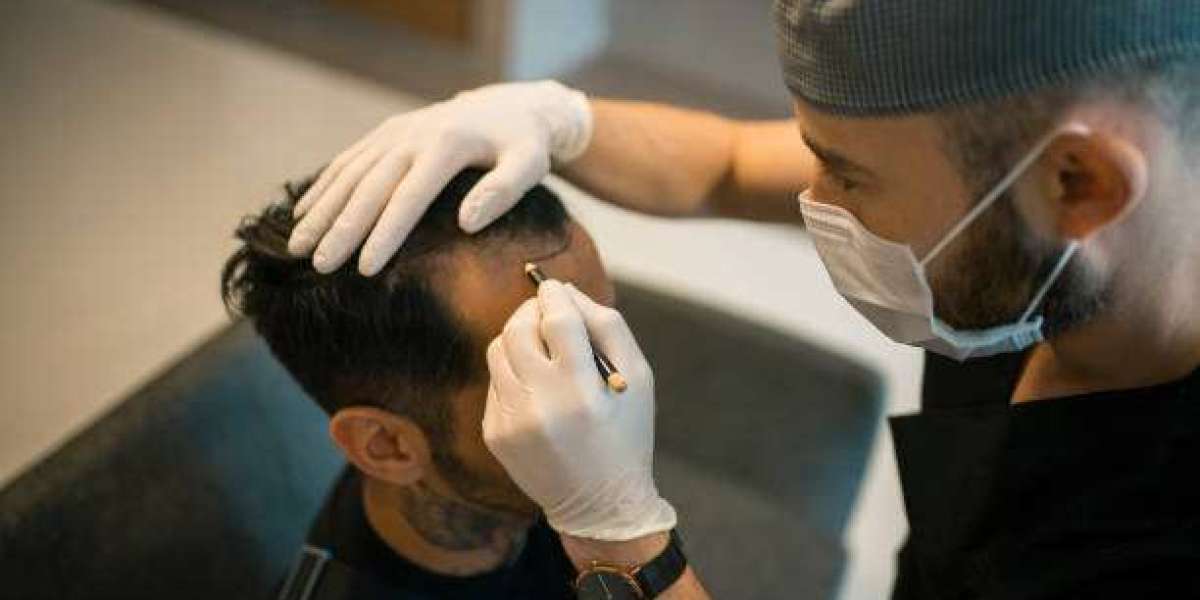

Among these, Hair Transplant in Riyadh has gained significant attention for its ability to provide natural-looking and long-lasting results. With various techniques available, understanding the differences between them is crucial for anyone considering this transformative procedure.
When exploring Hair Transplant in Riyadh, many patients also want clarity on hair transplant cost in Riyadh, which can vary based on the method used, the extent of hair loss, and the clinic’s expertise. However, making an informed decision goes beyond cost alone; it involves understanding the techniques, benefits, recovery process, and expected outcomes. This knowledge ensures that patients choose the method that best aligns with their individual needs and hair restoration goals.
Understanding the Basics of Hair Transplant
Hair transplant is a surgical procedure that involves relocating hair follicles from a donor area, typically the back or sides of the scalp, to areas experiencing thinning or baldness. The primary goal is to achieve a natural hairline and improve overall hair density. The success of this procedure largely depends on the technique used, the surgeon’s skill, and the patient’s hair characteristics.
There are multiple techniques employed in modern hair restoration, each with its unique approach, advantages, and suitability for different types of hair loss. The two most widely recognized methods are Follicular Unit Transplantation (FUT) and Follicular Unit Extraction (FUE). Understanding these options is essential for anyone considering Hair Transplant in Riyadh.
Follicular Unit Transplantation (FUT)
Follicular Unit Transplantation, often referred to as the strip method, involves removing a thin strip of scalp from the donor area. This strip is then meticulously divided into individual follicular units before being transplanted to the recipient area.
The FUT technique is known for its ability to transplant a large number of grafts in a single session, making it ideal for patients with extensive hair loss. It also tends to be more suitable for individuals who do not mind a linear scar in the donor area, as proper post-operative care can minimize its visibility. Patients often appreciate the dense results that FUT can provide, especially when aiming to restore a full hairline.
Follicular Unit Extraction (FUE)
Follicular Unit Extraction is a minimally invasive method that involves extracting individual hair follicles directly from the donor area using a specialized tool. These follicles are then transplanted to the thinning or bald areas of the scalp.
FUE is highly favored for its minimal scarring and faster recovery time compared to FUT. The procedure allows patients to wear shorter hairstyles without worrying about visible scars, making it a popular choice for those seeking discretion. Although FUE can be more time-consuming when treating extensive baldness, its precision and natural-looking results make it a preferred option for many.
Direct Hair Implantation (DHI)
Direct Hair Implantation is an advanced technique that enhances the FUE method by using a specialized implanter pen. This device allows hair follicles to be implanted directly into the scalp at the correct angle and depth, improving graft survival and overall hair density.
DHI is particularly beneficial for individuals seeking precise hairline design and dense coverage in localized areas. The method also reduces handling time for follicles outside the body, increasing the likelihood of successful transplantation. Patients often notice a quicker initial growth phase and more uniform results with this technique.
Robotic Hair Transplant Systems
Technological advancements have introduced robotic-assisted hair transplant systems, which automate certain aspects of the FUE procedure. These systems use sophisticated imaging and robotic arms to extract and implant follicles with high accuracy.
Robotic hair transplants are ideal for patients seeking consistency and efficiency, especially in large sessions. The technology minimizes human error and can significantly enhance precision in follicle placement, ensuring a natural-looking outcome. While the cost may be higher due to advanced equipment, many patients consider it a worthwhile investment for optimal results.
Choosing the Right Technique
Selecting the right hair transplant method depends on various factors, including the extent of hair loss, hair type, donor area availability, lifestyle, and personal preferences. Consulting with a qualified hair restoration clinic allows patients to evaluate these factors and choose a procedure that aligns with their expectations.
Understanding recovery times, potential side effects, and long-term maintenance is also vital. Each method requires specific post-operative care to maximize graft survival and achieve the best aesthetic results. Patients should prioritize clinics that follow strict hygiene protocols, employ experienced professionals, and provide personalized treatment plans.
FAQs
What is the recovery time for hair transplant procedures?
Recovery varies by technique. FUE and DHI generally have shorter recovery periods, often within a week, while FUT may require two to three weeks for the donor area to heal fully.
Are hair transplant results permanent?
Yes, transplanted hair is typically permanent because it is taken from areas resistant to hair loss. However, ongoing natural hair thinning may still occur in non-transplanted areas.
Is hair transplant painful?
Local anesthesia is used during the procedure, ensuring minimal discomfort. Some patients may experience mild soreness or swelling, which usually subsides within a few days.
Can women undergo hair transplant procedures?
Absolutely. Hair transplant techniques can be adapted for women experiencing thinning hair or patterned hair loss, ensuring natural-looking results.
How soon can I see results after a hair transplant?
Initial growth may begin within three to four months, with significant improvements visible after six to twelve months, depending on the technique and individual healing response.
Schedule Your Consultation Today
For individuals seeking reliable and effective hair restoration, Enfield Royal Clinic offers expert guidance and personalized treatment plans. By understanding the different techniques and choosing the most suitable method, patients can achieve natural, long-lasting results with confidence. Book a consultation today to explore the best approach for your hair restoration journey.



