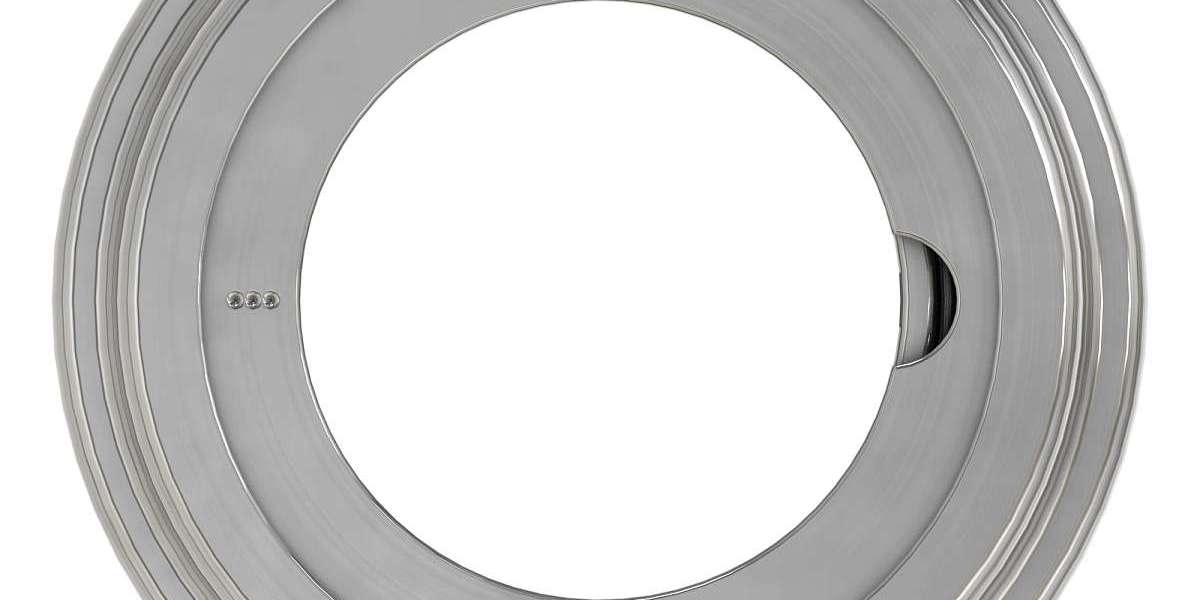

In any manual transmission vehicle, the smooth transition between gears is a coordinated dance of mechanical precision. At the center of this operation sits the clutch release bearing, sometimes referred to in the industry as a "throw-out bearing." While it is a relatively small component, its role is monumental: it is the bridge that translates the pressure from your foot on the pedal into the physical disengagement of the engine from the drivetrain.
When a clutch release bearing begins to fail, the "problem" isn't just a minor annoyance; it is a ticking clock. Left unaddressed, a faulty bearing can damage the pressure plate, destroy the input shaft, and eventually leave you stranded with a vehicle that won't shift.
The Problem: Why Do Release Bearings Fail?
A clutch release bearing is designed to endure thousands of cycles, but it is a "wear item" subject to extreme friction and heat. Because it only spins when the clutch pedal is depressed, it faces unique stresses compared to constant-rotation bearings.
Common root causes of failure include:
"Riding" the Clutch: This is the most frequent cause of premature wear. Keeping your foot rested on the pedal keeps the bearing in constant contact with the pressure plate diaphragm spring, leading to overheating and grease evacuation.
Lubrication Exhaustion: The internal grease in a release bearing is sealed for life. Over years of use, high engine bay temperatures can cause this lubricant to dry out or "cake," leading to metal-on-metal contact between the chrome steel balls and the races.
Contamination: Dust from the wearing clutch disc (friction material) can eventually bypass the bearing seals. This abrasive grit turns the internal lubricant into a grinding paste, rapidly increasing the internal radial bearing clearance.
Identifying the Warning Signs: Listen to Your Transmission
Because the clutch release bearing is tucked away inside the bellhousing, you cannot see it without pulling the transmission. You must rely on semantic cues and acoustic feedback to diagnose the issue.
1. The "Whirring" Noise That Disappears
The most classic symptom of a failing throw-out bearing is a whirring or chirping sound that occurs only when you push the clutch pedal down. Interestingly, the noise often disappears when you release the pedal. This happens because the bearing is only under load and spinning when the pedal is depressed.
2. Pedal Pulsation or Vibration
As the internal balls or the nylon cage of the bearing degrade, the rotation becomes uneven. This vibration is often felt through the clutch pedal as a "pulsating" sensation. If the bearing begins to seize, the pedal may feel stiff or "gritty" as you push it toward the floor.
3. Difficulty Shifting and Gear Clash
If the bearing is significantly worn, it may not be able to push the pressure plate fingers far enough to fully disengage the clutch. This results in "drag," making it difficult to find first gear or causing a grinding noise (gear clash) when shifting into reverse.
The Solution: A Professional Approach to Maintenance
When a clutch release bearing fails, the solution is always replacement. However, doing the job "right" means looking at the entire system to ensure the problem doesn't return.
1. The "Kit" Philosophy
Industry experts rarely recommend replacing just the bearing. Because the labor to remove a transmission is significant, it is standard practice to install a complete clutch kit. This includes:
The Clutch Release Bearing
A new Pressure Plate
The Clutch Friction Disc
The Pilot Bearing (which supports the tip of the input shaft)
2. Proper Lubrication of the Slide
The bearing doesn't just spin; it slides back and forth on a "quill" or guide tube. If this tube is bone-dry or rusty, the bearing can bind. Applying a light coat of high-temperature, high-pressure urea grease to the guide tube is essential for a smooth pedal feel.
3. Inspecting the Hydraulic System
In many modern vehicles, the release bearing is integrated into a Concentric Slave Cylinder (CSC). If your vehicle uses this setup, a bearing failure might also involve a hydraulic fluid leak. Always check the master cylinder and lines for air or moisture contamination during the repair.
Technical Specifications: Choosing a Quality Replacement
To avoid a "comeback" or a premature second repair, ensure your replacement bearing meets these industrial standards:
Material: High-carbon chrome steel (GCr15) for the races and rolling elements to ensure maximum fatigue life.
Sealing: Advanced heat-resistant seals to keep clutch dust out and specialized grease in.
Self-Aligning Feature: Many modern bearings are "self-aligning" to compensate for minor misalignments between the engine and transmission, reducing lateral wear.
Conclusion: Don't Ignore the Chirp
The clutch release bearing is a small part that holds the keys to your vehicle’s drivability. By recognizing the early signs of noise and vibration, and avoiding habits like "riding the clutch," you can significantly extend the life of your drivetrain. When the time for replacement comes, choose high-quality components and address the entire clutch assembly to ensure thousands of miles of smooth, silent shifting.