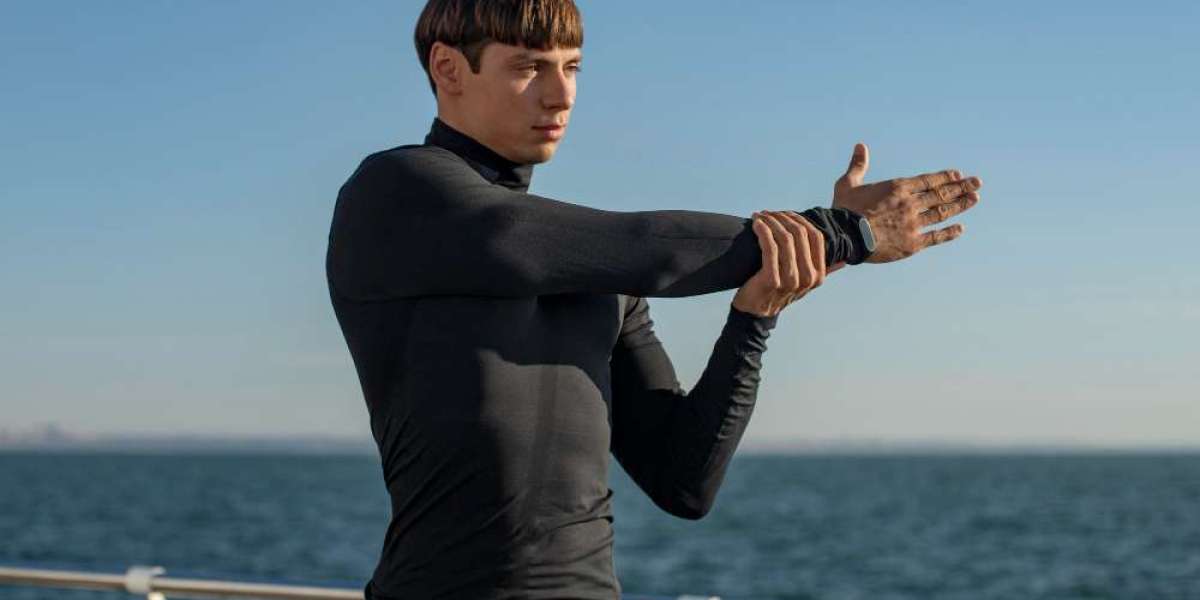

In the B2B aquatic apparel sector, the rashguard long sleeve is a high-performance staple. It serves as a primary barrier against solar radiation, board abrasion, and marine stings. However, because this garment covers the most mobile joints of the upper body—the shoulders and elbows—the mechanical demands placed on the fabric and seams are extraordinary.
If your retail partners are reporting issues with "sleeve ride-up," underarm chafing, or rapid elasticity loss, your current manufacturing specifications are likely failing to account for the dynamic stress of water sports. To maintain authority in the technical "swimwear" market, you must solve these functional hurdles at the design and production stages. Below, we address the three most prevalent problems in the manufacturing of a professional-grade long sleeve guard and provide the engineering solutions to fix them.
1. The "Joint Mobility" and Seam Failure Problem
The most common mechanical failure in a rashguard long sleeve occurs at the high-motion junctions: the armpits and the elbows. Standard t-shirt patterns often use vertical side seams that intersect at the axilla (armpit). Under the repetitive motion of paddling or swimming, these seams create "friction hotspots" that lead to skin irritation and eventual thread breakage.
The Solution:
Implement Raglan Sleeve Construction combined with Gusseted Underarm Panels. Raglan sleeves shift the seam away from the top of the shoulder to a diagonal line from the collar to the underarm, providing a greater range of motion. By adding a diamond-shaped gusset under the arm, you eliminate the four-way seam intersection, effectively "solving" the friction problem. Furthermore, using Active-Seam or Flatlock Stitching (6-needle) ensures that the seams lie flush against the skin, preventing "surf rash" even during 4-hour sessions.
2. Solving "Sleeve Migration" and Wrist Cuff Fatigue
A frequent complaint from end-users is that the sleeves of their "rashguard long sleeve" migrate toward the elbow during high-velocity water impact or heavy paddling. This exposes the forearms to the sun and creates uncomfortable bunching at the joints.
The Solution:
To solve "sleeve migration," integrate Reinforced Thumb Loops or Tapered Compression Cuffs. A thumb loop keeps the sleeve anchored during wipeouts or diving. Additionally, the wrist cuff should be finished with a High-Recovery Elastic Binding. Unlike standard hem stitches, an elastic binding maintains its "grip" on the wrist even after the fabric has been saturated with saltwater, ensuring the garment stays in place regardless of the ocean's turbulence.
3. The "Wet-State" UV Protection Crisis
Many B2B brands market their long-sleeve guards as $UPF 50+$, but many fail to mention that this rating often drops significantly when the fabric is wet or stretched. For a garment designed to cover the entire arm, a loss in UV opacity is a major safety and liability concern.
The Solution:
Source textiles with Inherent UV Protection (fibers infused with Titanium Dioxide) rather than those with temporary chemical coatings. To solve the transparency issue, specify a High-Density Interlock Knit with a weight of 190 to 220 GSM. This tighter weave ensures that the "pores" of the fabric do not open up excessively when stretched over the elbow or shoulder, maintaining a consistent block against $UVA$ and $UVB$ rays.
4. Managing "Bacon Neck" and Hydrodynamic Drag
Because a long-sleeve guard has more fabric surface area, it is subject to more "drag" in the water. If the neckline is too loose (the "bacon neck" effect), water will scoop into the chest area, creating a "parachute effect" that slows the swimmer and causes the garment to sag.
The Solution:
Use a Mock-Neck Collar with a Silicon-Grip Hem. A slightly raised collar prevents water from entering through the neck, while a silicon-printed "gripper" at the bottom hem of the shirt prevents it from riding up. For the collar itself, a Seamless Bonded Edge or a high-stretch rib-knit provides the necessary tension to stay flush against the skin without being restrictive.
5. Solving Chlorine and Salt-Water Oxidation
Long-sleeve guards are often worn for entire days in varying environments—from chlorinated pools to high-salinity oceans. Standard elastane (spandex) is highly susceptible to "oxidative stress," which causes the fibers to snap and the garment to lose its "memory," becoming baggy and heavy.
The Solution:
Exclusively use Creora® Highclo™ or Xtra Life™ Lycra. These specialized fibers are engineered to resist the breakdown caused by pool chemicals and salt. By solving the "fiber fatigue" problem, you ensure that the rashguard long sleeve maintains its compression fit for the entire lifecycle of the product, fostering the brand trust that leads to long-term B2B contracts.
Conclusion
In the world of technical apparel, a "rashguard long sleeve" is a piece of safety equipment. By solving the fundamental issues of seam friction, sleeve migration, and UV degradation, you provide your B2B clients with a product that stands up to the rigors of the elements.
Resilient manufacturing is not just about the look; it's about the physics of the water. When your products solve the end-user's problems before they even hit the surf, you establish your brand as an indispensable industry leader.




