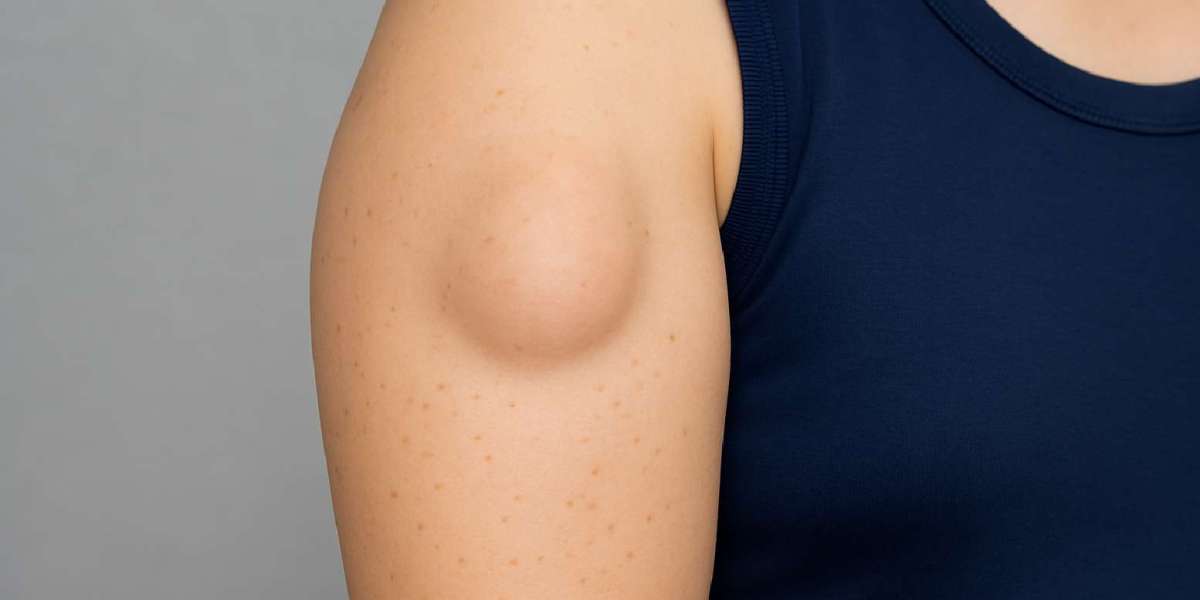

Lipomas are among the most common types of soft tissue lumps found under the skin, and while they are usually harmless, they often cause concern for people who discover them. Many individuals worry whether these fatty growths could be dangerous or signal a more serious condition. Lipoma removal treatment is sometimes considered when these lumps become bothersome, but in most cases, medical evaluation is done mainly for reassurance rather than urgency. Understanding the risks, complications, and overall nature of lipomas helps individuals make informed decisions and avoid unnecessary fear.
What Exactly Is a Lipoma:
A lipoma is a benign (non-cancerous) tumor composed of fat cells that grows slowly beneath the skin. It is typically soft, movable, and painless, which distinguishes it from more serious conditions.
Key characteristics include:
- Soft and dough-like texture under the skin
- Slow and gradual growth over time
- Usually painless unless pressing on nerves
- Common in areas like arms, back, neck, and shoulders
- Easily movable when touched
Lipomas are generally harmless and do not spread to other parts of the body.
Are Lipomas Cancerous or Dangerous:
One of the most important concerns patients have is whether lipomas can turn into cancer. The good news is that lipomas are almost always benign and do not become cancerous.
Important facts include:
- Lipomas are non-cancerous fatty growths
- They do not spread to surrounding tissues
- They rarely transform into malignant tumors
- They are not life-threatening in most cases
- Medical evaluation confirms diagnosis when needed
However, any unusual lump should still be examined to rule out other conditions.
When a Lipoma Might Become a Concern:
Although lipomas are usually harmless, certain changes or symptoms may indicate a need for medical attention. These situations do not necessarily mean danger but require evaluation.
Warning signs include:
- Rapid increase in size
- Pain or tenderness in the area
- Hard or fixed lumps instead of soft ones
- Irregular shape or deep tissue growth
- Interference with movement or daily activity
Such symptoms may require imaging or biopsy to ensure accurate diagnosis.
Possible Complications of Lipomas:
Complications from lipomas are rare, but they can occur depending on size, location, and growth pattern. Most complications are related to discomfort or physical limitations rather than serious health risks.
Possible complications include:
- Pressure on nearby nerves causing pain
- Restricted movement in affected areas
- Cosmetic concerns affecting appearance
- Inflammation if irritated or injured
- Rare cases of rapid growth requiring evaluation
These complications are typically manageable with proper medical care.
Differences Between Lipomas and Other Lumps:
Not all lumps under the skin are lipomas, which is why proper diagnosis is important. Some conditions may resemble lipomas but require different treatment approaches.
Common conditions to differentiate include:
- Cysts filled with fluid or pus
- Swollen lymph nodes due to infection
- Fat necrosis from injury
- Malignant tumors (rare but important to rule out)
- Fibromas or other soft tissue growths
Doctors often use imaging tests to confirm the exact nature of the lump.
Diagnosis and Medical Evaluation:
Accurate diagnosis is essential to ensure that a lump is truly a lipoma and not something more serious. Most cases are diagnosed through simple physical examination.
Common diagnostic methods include:
- Physical examination by a healthcare provider
- Ultrasound imaging to assess structure
- MRI scans for deeper or complex cases
- Biopsy in rare or uncertain situations
- Review of patient medical history
These steps help confirm whether treatment is needed.
Treatment Options and When They Are Needed:
Since most lipomas are harmless, treatment is not always required. However, removal may be recommended for comfort, cosmetic reasons, or diagnostic certainty.
Treatment options include:
- Surgical excision for complete removal
- Liposuction-based removal techniques
- Steroid injections to reduce size
- Minimally invasive procedures in select cases
- Observation for small, symptom-free lipomas
Treatment choice depends on size, symptoms, and patient preference.
Emotional and Psychological Impact:
Even though lipomas are medically harmless, they can still affect a person’s mental well-being, especially when visible or multiple in number.
Emotional concerns may include:
- Anxiety about lump appearance
- Fear of underlying serious disease
- Reduced confidence due to visible lumps
- Stress from uncertainty or lack of diagnosis
- Desire for cosmetic improvement
Addressing these concerns is an important part of patient care.
Final Thoughts:
Lipomas are generally harmless and rarely pose any serious health risks. While complications are uncommon, proper evaluation is important to rule out other conditions and ensure peace of mind. Understanding their nature helps reduce unnecessary worry and supports informed decision-making. Ultimately, whether or not Lipoma removal treatment is needed depends on symptoms, size, and personal comfort, with most cases requiring only monitoring rather than intervention.