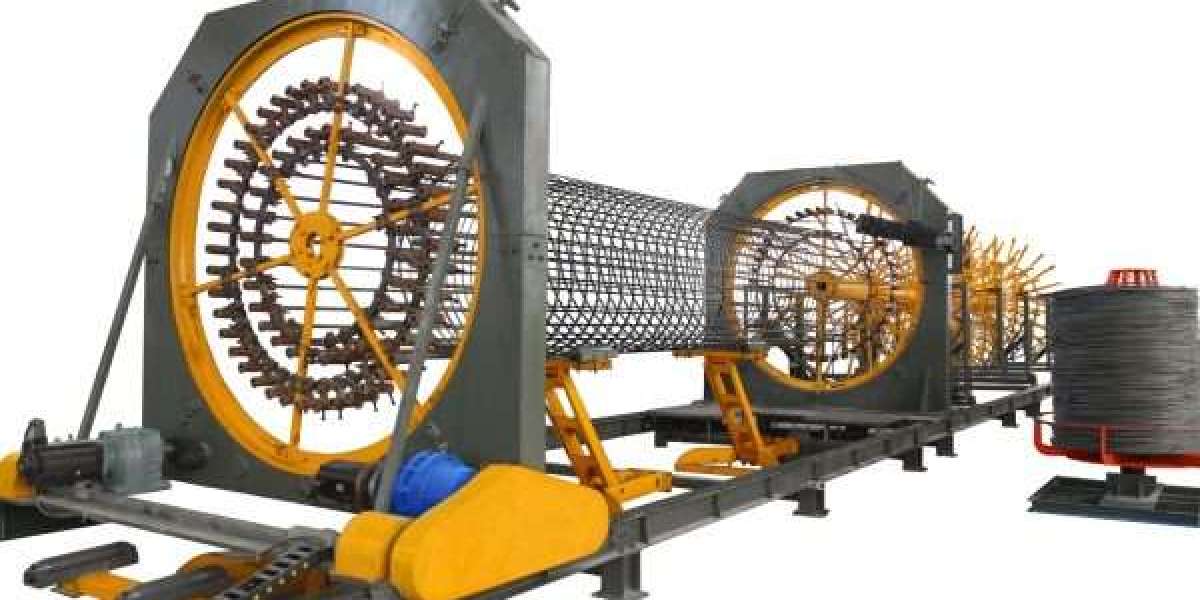

In large-scale construction and infrastructure development, precision and efficiency are essential for success. From bridges and highways to high-rise buildings and foundation piles, reinforced steel cages play a crucial role in ensuring structural strength. This is where modern cage building technology is transforming the industry, offering automated solutions that deliver speed, accuracy, and consistency.
Traditionally, steel cages were assembled manually—a process that was time-consuming, labor-intensive, and prone to inconsistencies. Today, CNC-based cage welding systems have revolutionized this workflow. These machines automate the entire process, including feeding, positioning, winding, and welding of steel bars, ensuring high-quality output with minimal human intervention.
The core advantage of advanced cage building machines lies in their automation capabilities. Using programmable logic controllers (PLC) and servo-driven systems, operators can set parameters such as cage diameter, length, and spacing with exceptional precision. This allows for consistent production that meets strict engineering standards while reducing the chances of human error.
Efficiency is one of the most significant benefits of adopting this technology. Automated cage welding machines can produce large quantities of reinforcement cages in a fraction of the time required by manual methods. In fact, mechanized systems can significantly increase daily output, making them ideal for high-demand projects such as railways, bridges, and large-scale infrastructure developments.
Another key advantage is precision. Modern machines ensure uniform spacing between longitudinal and spiral bars, consistent cage diameters, and accurate welding points. This level of accuracy is essential for reinforced concrete structures, where even slight deviations can compromise structural integrity. With CNC control, errors are minimized to millimeter-level tolerances, ensuring superior quality and reliability.
Versatility is also a standout feature. Cage welding systems can handle a wide range of steel bar diameters and cage sizes, making them suitable for various applications. Whether it’s foundation piles, bridge supports, or high-rise building columns, these machines adapt easily to different project requirements. Their ability to produce cages up to several meters in diameter and length makes them indispensable for modern construction projects.
In addition to performance benefits, cage building technology significantly reduces labor costs. Automated processes eliminate the need for large teams of workers, lowering operational expenses while improving workplace safety. Workers are no longer exposed to repetitive manual tasks or hazardous welding conditions, creating a safer and more efficient working environment.
Durability and reliability further enhance the value of these machines. Built with robust components and advanced engineering, they are designed to withstand heavy workloads and continuous operation. Integrated systems ensure stable performance, while intelligent monitoring features maintain consistent welding quality throughout the production process.
Another important benefit is improved project management. Faster production speeds, reduced material waste, and consistent output enable contractors to meet deadlines more effectively. By streamlining rebar processing, businesses can enhance productivity while maintaining high construction standards.
In conclusion, adopting advanced cage building solutions is a strategic move for any construction company aiming to stay competitive. With benefits such as automation, precision, efficiency, and cost savings, this technology is setting new benchmarks in steel reinforcement processing. If you’re looking to optimize your workflow and deliver superior construction quality, investing in modern cage building equipment is the key to future-ready success.




