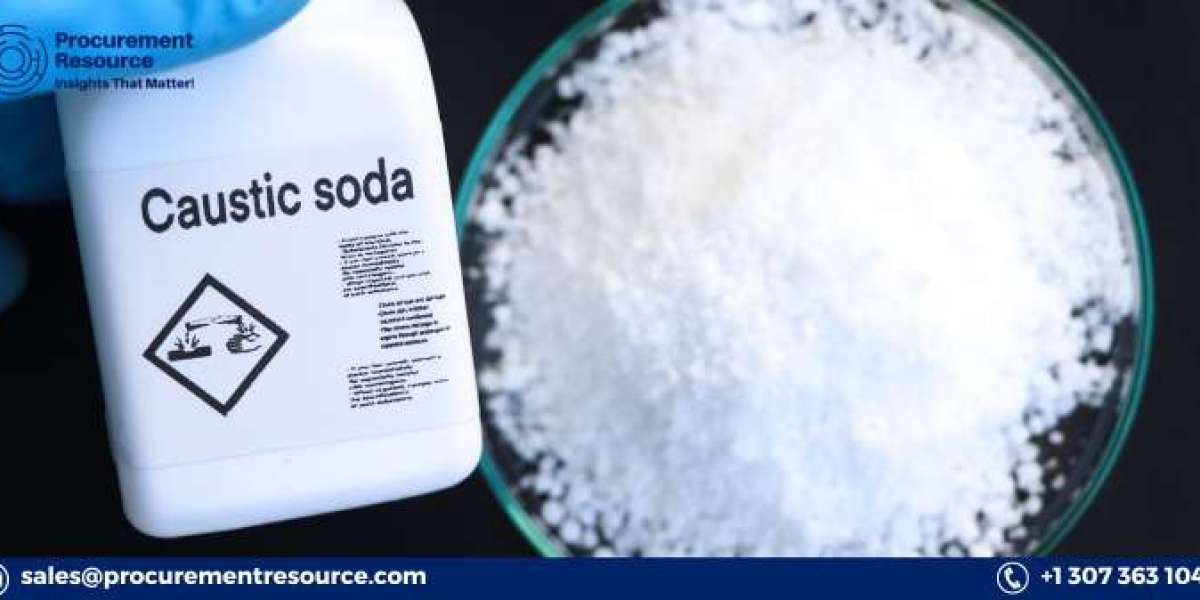

Understanding Caustic Soda production cost is critical for chemical manufacturers, procurement teams, and investors navigating today’s volatile industrial landscape. As global demand for caustic soda continues to rise driven by applications in pulp and paper, textiles, alumina refining, and water treatment cost structures have become increasingly complex.
Several macroeconomic and industry-specific factors are shaping production economics:
- Ongoing supply chain disruptions
- Rising energy prices
- Increasing environmental compliance costs
- Shifts in global trade dynamics
For stakeholders involved in strategic planning and sourcing, a clear understanding of Caustic Soda manufacturing cost is essential to maintain competitiveness and profitability.
Overview of Caustic Soda Manufacturing
Caustic soda (sodium hydroxide) is primarily produced through the chlor-alkali process, which involves the electrolysis of brine (sodium chloride solution).
Key Production Technologies
There are three main technologies used in industrial production:
- Membrane Cell Process (most widely used today)
- Diaphragm Cell Process
- Mercury Cell Process (phased out in many regions due to environmental concerns)
Basic Manufacturing Flow
- Brine Preparation – Purification of salt solution
- Electrolysis – Electricity is used to split brine into:
- Chlorine gas
- Hydrogen gas
- Sodium hydroxide solution
- Concentration & Processing – Caustic soda is concentrated to desired levels
- Storage & Distribution
The membrane cell process dominates modern plants due to its higher efficiency and lower environmental impact, directly influencing overall Caustic Soda plant cost and operational efficiency.
Key Raw Materials and Inputs
The cost of producing Caustic Soda is heavily influenced by the availability and pricing of key inputs.
Primary Inputs
- Salt (Sodium Chloride): Core raw material
- Water: Used in brine preparation and processing
- Electricity: The most critical and cost-intensive input
- Chemicals for Purification: Lime, soda ash, and other treatment agents
Utilities and Supporting Inputs
- Steam and cooling systems
- Maintenance chemicals
- Infrastructure for handling chlorine and hydrogen by-products
Impact on Production Cost
- Electricity alone can account for 40–60% of total production cost
- Fluctuations in salt prices and purity levels affect processing efficiency
- Utility costs vary significantly depending on plant location and scale
A detailed raw material cost analysis is therefore essential for accurate Caustic Soda production cost analysis.
Request a Free Sample Report Now: https://www.procurementresource.com/production-cost-report-store/caustic-soda/request-sample
Major Cost Drivers in Production
The overall industrial production cost of caustic soda is determined by multiple components:
1. Raw Material Costs
- Salt procurement and transportation
- Purification chemicals
- Water treatment
2. Energy Consumption
- Electrolysis is energy-intensive
- Electricity pricing volatility directly impacts margins
3. Labor and Workforce
- Skilled labor for plant operation
- Technical maintenance staff
4. Plant Maintenance and Depreciation
- Equipment wear and tear
- Membrane replacement in modern plants
- Capital recovery costs
5. Logistics and Transportation
- Distribution of caustic soda
- Handling of chlorine and hydrogen by-products
Market Influence on Cost Drivers
- Energy price spikes can significantly increase Caustic Soda manufacturing cost
- Supply-demand imbalances in chlorine markets indirectly affect caustic soda pricing
- Regulatory changes increase compliance-related costs
Regional Cost Differences
The Caustic Soda plant cost varies widely across regions due to structural and economic differences.
North America
- Moderate energy costs (depending on natural gas prices)
- Advanced infrastructure
- Stable regulatory environment
Middle East
- Low energy costs due to abundant hydrocarbons
- Competitive advantage in large-scale production
- Growing investment in chemical manufacturing
Asia-Pacific
- High demand from manufacturing industries
- Variable energy costs across countries
- Strong presence of large-scale producers
Europe
- High energy and environmental compliance costs
- Strict sustainability regulations
- Shift toward greener production technologies
Key Factors Driving Regional Variations
- Electricity tariffs
- Feedstock availability
- Environmental regulations
- Plant scale and technology adoption
Understanding these regional dynamics is crucial for accurate chemical plant cost analysis and investment planning.
Impact of Market Trends on Production Economics
The caustic soda industry is undergoing transformation due to evolving market trends and sustainability pressures.
1. Green Manufacturing Initiatives
- Adoption of energy-efficient membrane technologies
- Reduced carbon footprint targets
2. Decarbonization Efforts
- Integration of renewable energy in electrolysis
- Carbon pricing impacting operational costs
3. Hydrogen Utilization
- Hydrogen by-product gaining value in clean energy markets
- Potential to offset production costs
4. Energy Transition
- Shift from fossil fuels to renewable electricity
- Long-term impact on Caustic Soda production cost
These trends are reshaping manufacturing economics, requiring companies to adapt their cost structures and investment strategies.
Why Detailed Production Cost Intelligence Matters
In a competitive and capital-intensive industry, relying on assumptions is risky. Accurate cost intelligence enables:
- Strategic Plant Planning
- Feasibility analysis for new projects
- Procurement Optimization
- Better negotiation with suppliers
- Investment Decision-Making
- Risk assessment and ROI evaluation
- Operational Efficiency
- Identification of cost-saving opportunities
For stakeholders, a granular understanding of Caustic Soda production cost analysis is not just beneficial—it is essential.
Role of a Caustic Soda Production Cost Report
A structured and data-driven approach is necessary to decode the complexities of production economics.
A comprehensive Caustic Soda Production Cost Report provides detailed insights into:
- Raw material consumption patterns
- Energy usage and efficiency benchmarks
- Capital investment requirements
- Operating expenses and cost breakdowns
- Profitability and margin analysis
Such reports serve as critical tools for:
- Manufacturers evaluating plant expansion
- Investors assessing project viability
- Procurement teams optimizing sourcing strategies
By leveraging a reliable Caustic Soda Production Cost Report, businesses can make informed, data-backed decisions in an increasingly competitive market.
The economics of caustic soda production are shaped by a combination of raw material availability, energy intensity, regulatory frameworks, and global market dynamics. As industries continue to evolve under the influence of sustainability and energy transition trends, understanding Caustic Soda manufacturing cost becomes even more crucial.
For manufacturers, investors, and procurement professionals, access to accurate and detailed cost data is a strategic advantage. It enables better planning, reduces uncertainty, and supports long-term profitability.
In a market where margins are closely tied to operational efficiency, data-driven insights and structured cost analysis are no longer optional they are foundational to success.