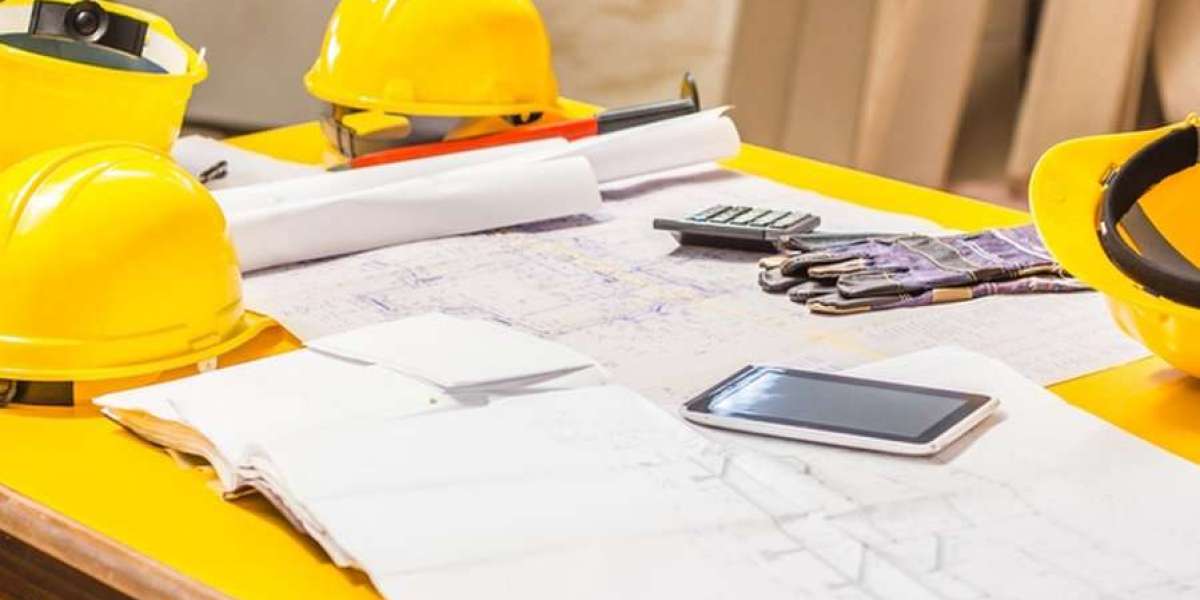

Construction efficiency has become a major priority in today’s fast-growing building industry. Projects are becoming larger, more complex, and more time-sensitive, which increases the need for better planning and execution. Without efficient processes, companies often face delays, increased costs, and poor resource utilization. To avoid these issues, many contractors focus on advanced management techniques and also depend on construction estimating companies to improve cost accuracy and project planning.
Efficiency in construction is not only about speed; it is about achieving the best results with minimum waste of time, money, and materials. A well-optimized construction process ensures smoother workflows, better coordination, and higher productivity across all project phases.
Understanding Construction Efficiency
Construction efficiency refers to how effectively resources such as labor, materials, equipment, and time are used during a project. The goal is to maximize output while minimizing waste and delays.
Efficient construction processes help improve project timelines, reduce costs, and increase overall quality. When efficiency is low, projects often suffer from rework, delays, and budget overruns.
Strong efficiency practices ensure that every stage of construction operates in a controlled and productive manner.
Key Factors That Influence Construction Productivity
Several factors directly impact construction productivity. These must be carefully managed to ensure smooth project execution.
Important factors include workforce skill levels, material availability, equipment performance, and communication between teams. External conditions such as weather and site accessibility also play a role.
Improving these factors leads to faster completion and better quality results.
Workforce Skill and Training
Skilled labor is one of the most important components of construction productivity. Properly trained workers complete tasks more efficiently and with fewer errors.
Continuous training improves performance and reduces rework on-site. It also enhances safety and teamwork among workers.
A skilled workforce directly contributes to higher productivity levels.
Material Availability and Management
Material delays can significantly reduce construction efficiency. Proper planning ensures that all required materials are available when needed.
Efficient inventory management helps prevent shortages and wastage. It also improves workflow and reduces downtime.
Good material control leads to smoother project progress.
Equipment Performance and Maintenance
Construction equipment plays a key role in productivity. Poorly maintained machinery can slow down work and increase costs.
Regular maintenance ensures that equipment operates efficiently and reduces the risk of breakdowns. Proper usage also improves performance.
Well-managed equipment supports faster project completion.
Role of Planning in Improving Efficiency
Planning is the foundation of construction efficiency. It helps define tasks, allocate resources, and set realistic timelines.
A well-structured plan ensures that all activities are organized and executed in the correct sequence. This reduces confusion and improves workflow.
Proper planning also minimizes delays and enhances overall project performance.
Importance of Cost Accuracy in Efficiency
Accurate cost estimation plays a major role in improving construction efficiency. It ensures that resources are allocated properly and waste is minimized.
When budgets are accurate, project teams can focus more on execution rather than financial issues. It also reduces the risk of unexpected expenses.
Many professionals rely on construction estimating companies to improve cost accuracy and support efficient project planning.
Technology’s Role in Enhancing Construction Efficiency
Technology has significantly improved construction productivity in recent years. Digital tools help streamline operations and reduce manual work.
Software systems allow better tracking of tasks, budgets, and timelines. Cloud platforms improve communication between teams.
These tools make construction processes faster, more accurate, and more organized.
Automation in Construction Processes
Automation helps reduce manual tasks and improve efficiency. It speeds up calculations, reporting, and scheduling activities.
Automated systems reduce human errors and improve consistency in work. They also save time and resources.
This leads to more efficient project execution.
Digital Communication Tools
Digital communication tools improve coordination between project teams. They ensure that everyone receives real-time updates.
This reduces misunderstandings and improves workflow efficiency. Teams can make faster decisions based on accurate information.
Better communication leads to improved productivity.
Common Barriers to Construction Efficiency
Despite advancements, construction projects still face several challenges that affect efficiency.
Common barriers include poor planning, communication gaps, and resource shortages. These issues can slow down progress and increase costs.
Proper management strategies are needed to overcome these challenges.
Poor Project Coordination
Lack of coordination between teams can reduce productivity. Miscommunication often leads to errors and delays.
Clear roles and responsibilities improve teamwork and efficiency. Regular updates help maintain alignment.
Better coordination improves overall performance.
Resource Wastage
Improper use of materials and labor can lead to significant wastage. This increases project costs and reduces efficiency.
Proper planning and monitoring help reduce unnecessary consumption. Efficient resource use improves productivity.
Waste reduction is essential for success.
Unexpected Project Interruptions
Delays caused by weather, supply issues, or technical problems can affect efficiency. These interruptions slow down progress.
Proper risk planning helps minimize these disruptions. Flexible scheduling improves adaptability.
This ensures smoother project execution.
Importance of Professional Support in Efficiency Improvement
Professional support plays an important role in improving construction efficiency. Experts help optimize planning, budgeting, and execution processes.
These services reduce errors and improve decision-making. They also ensure better resource utilization and cost control.
In many projects, construction estimating companies contribute significantly to improving accuracy and overall efficiency.
Benefits of Efficient Construction Practices
Efficient construction practices improve project performance and reduce unnecessary costs. They ensure better use of time, labor, and materials.
Improved efficiency also leads to higher quality results and faster project completion. It enhances client satisfaction and business reputation.
Overall, efficiency strengthens long-term success in the construction industry.
Final Thoughts
Construction efficiency is essential for completing projects successfully in today’s competitive environment. Without proper planning and management, projects can become slow, costly, and inefficient.
Modern technology, skilled labor, and professional support systems have made it easier to improve productivity. With the right strategies in place, construction teams can achieve better results and reduce waste.
Efficient practices ensure timely delivery, improved quality, and stronger project outcomes.
FAQs
What is construction efficiency?
It is the effective use of resources to complete construction projects with minimal waste and delay.
Why is productivity important in construction?
It helps reduce costs and ensures timely project completion.
What factors affect construction efficiency?
Labor skills, material management, equipment performance, and communication.
How does technology improve efficiency?
It automates processes, improves communication, and reduces errors.
Why is planning important for productivity?
It ensures proper coordination and organized workflow.
How can waste be reduced in construction?
Through proper resource management and careful planning.
What role do experts play in efficiency improvement?
They provide planning, cost control, and optimization strategies.