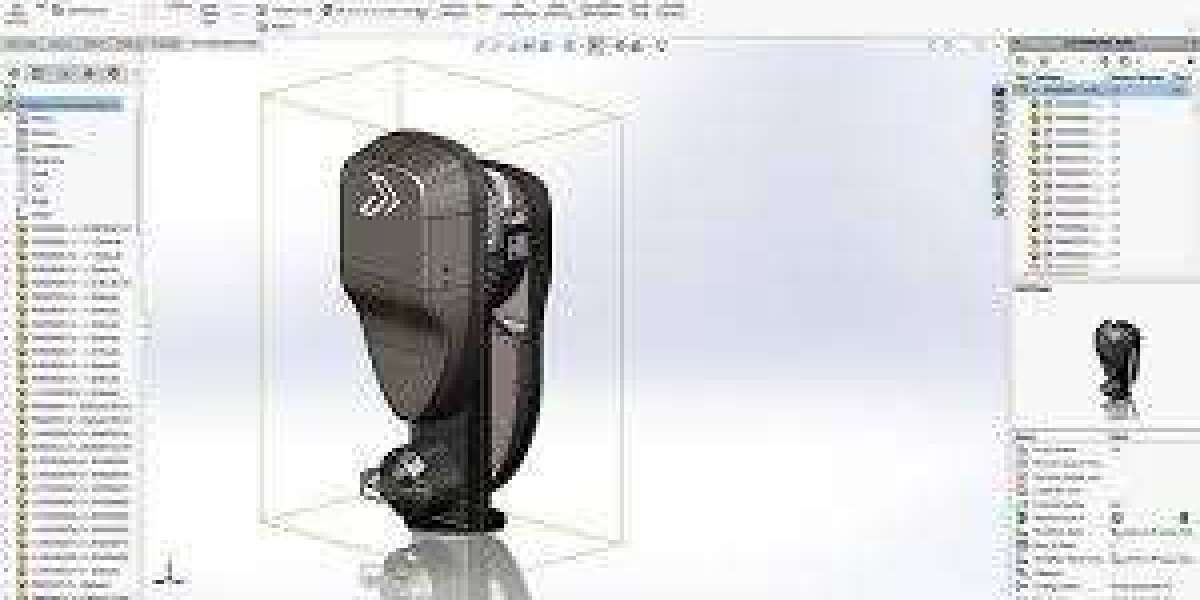

In today’s fast-paced manufacturing and product development environment, managing product data efficiently is critical for success. Product Data Management (PDM) software plays a vital role in organizing, storing, and controlling engineering data across the product lifecycle. From CAD files to documentation and revision histories, PDM systems ensure that teams have access to accurate and up-to-date information at all times.
At its core, PDM software centralizes product-related data in a secure digital repository. This eliminates the risk of data loss, duplication, and inconsistencies often associated with traditional file management systems. Engineers and designers can collaborate seamlessly, knowing they are working on the latest version of a file. Version control is one of the most powerful features of PDM, enabling organizations to track changes, maintain revision histories, and roll back to previous versions when necessary.
Another significant advantage of PDM software is improved collaboration across departments. In many organizations, product data is shared between engineering, manufacturing, procurement, and quality teams. Without a centralized system, communication gaps can lead to costly errors and delays. PDM bridges this gap by providing controlled access to data, ensuring that everyone works from a single source of truth.
Workflow automation is another key benefit. PDM systems streamline processes such as design approvals, change management, and document release. Automated workflows reduce manual intervention, minimize errors, and accelerate product development cycles. This not only improves efficiency but also helps organizations bring products to market faster.
Security is also a major concern when handling sensitive product data. PDM software provides robust access controls, ensuring that only authorized personnel can view or modify specific files. This protects intellectual property and ensures compliance with industry standards and regulations.
Integration capabilities further enhance the value of PDM systems. Many PDM solutions integrate seamlessly with CAD software, ERP systems, and PLM platforms, creating a connected digital ecosystem. This integration ensures smooth data flow across different stages of the product lifecycle, from design to production and beyond.
For growing businesses, scalability is another important factor. Modern PDM solutions are designed to scale with organizational needs, supporting increasing data volumes and expanding teams without compromising performance.
In conclusion, PDM software is an essential tool for organizations looking to improve data management, enhance collaboration, and streamline product development processes. By investing in a robust PDM system, companies can reduce errors, increase productivity, and maintain a competitive edge in the market.