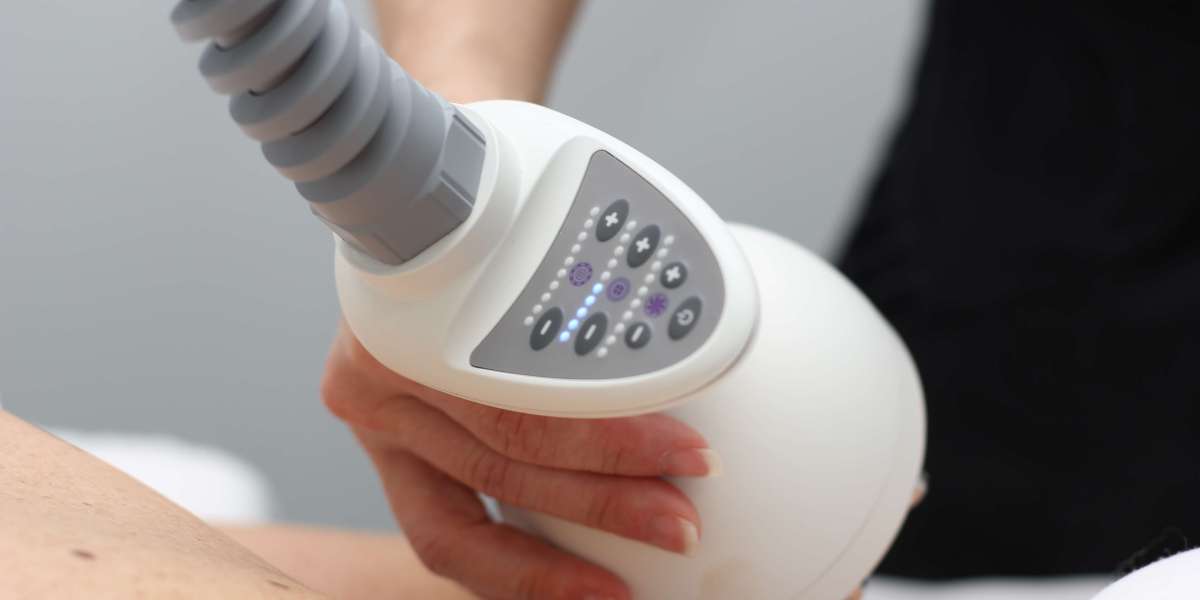

Differences Between Facial and Body Venus Legacy Protocols
The Venus Legacy is a versatile non-invasive radiofrequency-based technology used for both facial rejuvenation and body contouring. While the core mechanism—multi-polar radiofrequency combined with pulsed electromagnetic fields and mechanical suction—remains the same, the treatment protocols differ significantly depending on whether the face or body is being treated.
Venus Legacy in Riyadh is a non-invasive aesthetic treatment used to improve skin tightening, reduce cellulite, and enhance body contouring through advanced radiofrequency technology.
These differences are necessary because facial skin is thinner and more delicate, while body tissues are thicker and often contain larger fat deposits and more pronounced cellulite.
1. Treatment Goals: Face vs Body
Facial Protocol Goals
Facial treatments focus primarily on:
- Reducing fine lines and early wrinkles
- Improving skin texture and elasticity
- Lifting mild skin laxity (jawline, cheeks, neck)
- Enhancing overall skin glow and hydration appearance
The emphasis is on skin quality and collagen stimulation, not fat reduction.
Body Protocol Goals
Body treatments focus on:
- Reducing cellulite appearance
- Improving skin tightening over larger areas
- Enhancing body contour definition
- Reducing mild localized fat volume
- Improving lymphatic drainage
Here, the goal is structural remodeling of deeper tissue layers.
2. Energy Intensity and Depth of Treatment
One of the biggest differences between facial and body protocols is the depth and intensity of radiofrequency energy used.
Facial Treatments
- Lower energy settings
- Shallower penetration depth
- Gentle heating of dermal layer only
- Careful temperature control to avoid discomfort
This ensures safety for thin facial skin and sensitive areas like around the eyes and mouth.
Body Treatments
- Higher energy settings
- Deeper penetration into subcutaneous fat layers
- Stronger thermal stimulation for collagen remodeling
- More aggressive heating for cellulite and contouring effects
Body tissue can safely tolerate higher energy due to greater thickness.
3. Applicator Size and Technique
The device uses different applicators depending on treatment area.
Facial Protocol
- Smaller applicators for precision
- Focused movement around delicate structures
- Slower, controlled passes
- Avoidance of sensitive eye areas
This allows targeted treatment of fine lines and small contour zones.
Body Protocol
- Larger applicators for broad surface coverage
- Faster, sweeping movements across larger areas
- Inclusion of suction-based massage (VariPulse)
- Longer treatment strokes for uniform heating
This improves efficiency for large areas like abdomen, thighs, and buttocks.
4. Use of Mechanical Suction (VariPulse)
The mechanical component differs significantly between protocols.
Face
- Minimal or no suction in many areas
- Very gentle vacuum when used (mainly lymphatic stimulation)
- Avoided near thin skin or fragile vessels
Body
- Stronger and more active suction
- Helps break down fibrous cellulite bands
- Enhances lymphatic drainage and fat mobilization
- Improves contour shaping effect
5. Treatment Duration
Facial Sessions
- Typically shorter: 15–30 minutes
- Focused on small, delicate areas
Body Sessions
- Longer sessions: 30–60+ minutes
- Multiple large zones treated in one session
Body treatments require more time due to surface area and depth of work.
6. Temperature Targets
The therapeutic heat range is adjusted based on treatment area.
Face
- Lower temperature range (mild heating)
- Prioritizes comfort and safety
- Prevents overheating thin dermal layers
Body
- Higher therapeutic temperatures
- Stronger collagen stimulation
- More intense heating for fat and connective tissue remodeling
7. Treatment Frequency and Course Structure
Facial Protocol
- Usually 6–8 sessions
- Spaced 1–2 times per week
- Maintenance every 2–3 months
Focus is on gradual collagen rebuilding.
Body Protocol
- Typically 6–12 sessions
- 1–2 sessions per week
- Maintenance every 1–3 months depending on cellulite severity
Body treatments often require longer courses for visible contour changes.
8. Expected Results Differences
Facial Results
- Smoother skin texture
- Reduced fine lines
- Mild lifting effect
- Improved skin radiance
- Subtle tightening
Results are refined and natural-looking.
Body Results
- Reduced cellulite appearance
- Improved skin firmness
- Better body contour definition
- Mild fat reduction effect
- Smoother skin surface
Results are more structural and contour-focused.
9. Sensation During Treatment
Face
- Gentle warmth
- Light massage sensation
- Highly comfortable overall
Body
- Stronger warming sensation
- Noticeable suction and tissue movement
- Deeper therapeutic feeling
10. Why Protocol Differences Matter
The reason protocols differ in the Venus Legacy system is due to fundamental anatomical differences:
- Facial skin is thinner and more sensitive
- Body tissue contains more fat and fibrous structures
- Circulation patterns vary significantly
- Treatment goals differ (aesthetic refinement vs contour reshaping)
Adjusting settings ensures both safety and effectiveness across all treatment areas.
Conclusion
The facial and body protocols of the Venus Legacy system are carefully tailored to the unique characteristics of each treatment area. Facial treatments use lower energy, smaller applicators, and gentler suction to improve fine lines, skin texture, and mild laxity. In contrast, body treatments apply higher energy, deeper heating, and stronger mechanical stimulation to address cellulite, skin tightening, and contour improvement.