

Electrical issues can be frustrating and sometimes dangerous. Whether you are dealing with a breaker that keeps tripping, won't reset, or causes power interruptions, understanding how a GE circuit breaker works can help you solve the problem quickly and safely.
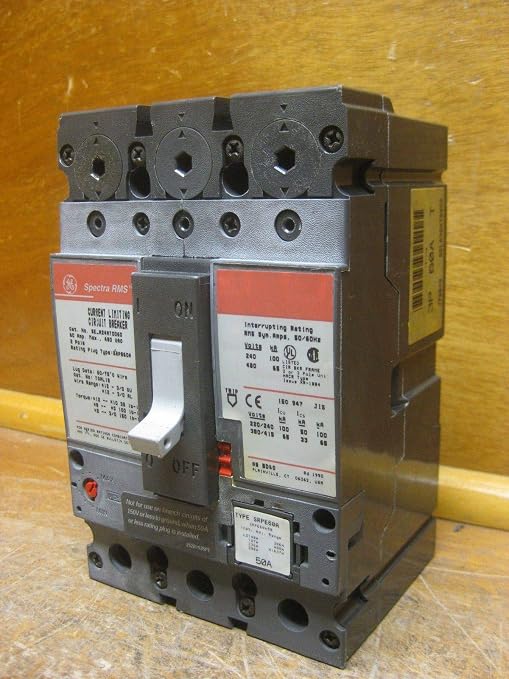
In this guide, we'll explain the most common problems associated with ge circuit breaker systems, their causes, and practical solutions that can help restore power safely.
Understanding How a GE Circuit Breaker Works
A circuit breaker is designed to interrupt the flow of electricity when it detects unsafe conditions. The purpose is to protect electrical wiring, appliances, and people from electrical hazards.
A ge circuit breaker automatically shuts off power when:
- Too much current flows through a circuit
- A short circuit occurs
- Ground faults are detected
- Electrical equipment becomes overloaded
By stopping the electrical flow, the breaker prevents overheating and reduces the risk of electrical fires.
Common Signs of a Faulty Circuit Breaker
Before attempting any repairs, it is important to identify the warning signs.
Frequent Tripping
One of the most common indicators is when a GE breaker panel experiences frequent breaker trips. While occasional tripping is normal, repeated interruptions often indicate a larger issue.
Breaker Won't Reset
If the breaker immediately trips again after being reset, there may be a short circuit, overloaded circuit, or damaged breaker.
Burning Smell Near the Panel
A burning odor should never be ignored. It could indicate overheating wires or a failing GE electrical breaker that requires immediate attention.
Visible Damage
Look for:
- Burn marks
- Cracks
- Corrosion
- Loose connections
Any visible damage may suggest that the breaker should be replaced.
Why Does a GE Circuit Breaker Keep Tripping?
Several factors can cause breaker trips. Understanding the root cause helps prevent recurring issues.
Circuit Overload
Circuit overload occurs when too many devices draw power from the same circuit.
Common examples include:
- Multiple space heaters
- High-powered kitchen appliances
- Several electronic devices plugged into one outlet
An overloaded GE breaker replacement may continue tripping until the electrical load is reduced.
Short Circuit
A short circuit happens when hot wires touch neutral wires. This creates a sudden surge of electricity that forces the breaker to shut off.
Signs include:
- Sparks
- Burning smells
- Blackened outlets
This issue often requires professional inspection.
Ground Fault
Ground faults occur when electricity takes an unintended path to the ground.
These faults commonly occur in:
- Bathrooms
- Kitchens
- Outdoor outlets
- Laundry rooms
Modern GE residential circuit breaker models often include built-in protection against these hazards.
How to Reset a GE Circuit Breaker Safely
Resetting a breaker is usually straightforward.
Step 1: Identify the Tripped Breaker
Open the electrical panel and locate the breaker that is in the middle position or marked as tripped.
Step 2: Turn Off Connected Devices
Unplug appliances and turn off switches connected to the affected circuit.
This helps reduce electrical load when power is restored.
Step 3: Move the Breaker Fully Off
Push the breaker completely to the OFF position before attempting to reset it.
Step 4: Turn It Back On
Firmly switch the breaker to the ON position.
If the breaker remains on, the issue may have been temporary.
Step 5: Monitor Performance
Reconnect devices one at a time to determine whether a specific appliance is causing the problem.
When Should You Replace a Circuit Breaker?
Circuit breakers do not last forever. Over time, internal components wear out.
Signs You Need a Replacement
You may need a new GE breaker panel component if:
- The breaker feels hot
- It trips without any overload
- It will not stay reset
- It shows visible damage
- It makes buzzing noises
Replacing a faulty breaker can restore safety and improve system reliability.
Choosing the Right Replacement Breaker
Not all breakers are interchangeable.
Check Compatibility
Always verify:
- Voltage rating
- Amperage rating
- Panel compatibility
- Manufacturer recommendations
Installing the wrong GE electrical breaker can create safety risks and potentially violate electrical codes.
Match the Amp Rating
Common residential breaker ratings include:
- 15 amp
- 20 amp
- 30 amp
- 40 amp
- 50 amp
Never install a breaker with a higher rating than the circuit is designed to handle.
Preventing Future Breaker Problems
Preventive maintenance can help extend breaker life and reduce electrical issues.
Avoid Overloading Circuits
Spread electrical devices across multiple circuits whenever possible.
For example:
- Use separate outlets for large appliances.
- Avoid plugging multiple high-power devices into one power strip.
Schedule Electrical Inspections
Routine inspections can identify the following:
- Loose wiring
- Damaged outlets
- Aging breakers
- Potential fire hazards
Professional evaluations help maintain a safe electrical system.
Upgrade Older Electrical Panels
Older homes may have outdated electrical systems that struggle to handle modern power demands.
Upgrading to newer GE residential circuit breaker technology can improve safety and efficiency.
DIY vs. Professional Electrical Repairs
Many homeowners wonder whether they can replace a breaker themselves.
Safe DIY Tasks
Homeowners may safely:
- Reset tripped breakers
- Identify overloaded circuits
- Unplug problematic devices
When to Call an Electrician
Professional assistance is recommended when:
- Breakers repeatedly trip
- Burning smells are present
- Wiring issues are suspected
- Panel upgrades are needed
- Electrical codes must be followed
Electrical systems can be dangerous if handled improperly.
Benefits of Using GE Circuit Breakers
GE products have been trusted for decades due to their reliability and performance.
Some benefits include:
- Strong safety protection
- Consistent performance
- Long service life
- Compatibility with many residential systems
- Easy maintenance and replacement options
A properly functioning ge circuit breaker provides peace of mind by helping protect both property and people from electrical hazards.
Frequently Asked Questions
1. Why does my GE circuit breaker keep tripping?
A breaker may trip because of circuit overloads, short circuits, ground faults, or a faulty breaker that requires replacement.
2. How long does a GE circuit breaker last?
Most circuit breakers can last 20 to 40 years, depending on usage, environmental conditions, and maintenance.
3. Can I replace a GE circuit breaker myself?
Basic replacement may be possible for experienced homeowners, but professional installation is recommended to ensure safety and code compliance.
4. How do I know if my circuit breaker is bad?
Signs include frequent tripping, inability to reset, overheating, burning smells, buzzing sounds, or visible damage.
5. Are all GE circuit breakers compatible with every panel?
No. Always use a breaker specifically approved for your electrical panel to ensure safe and proper operation.
Conclusion
A reliable electrical system depends heavily on a properly functioning ge circuit breaker. Whether you are dealing with frequent tripping, power interruptions, or signs of breaker failure, identifying the cause early can prevent costly repairs and improve safety. Regular inspections, proper electrical load management, and timely replacement of worn components can keep your system operating efficiently. By understanding how breakers work and recognizing warning signs, homeowners can make informed decisions that protect their property and ensure uninterrupted power for years to come.


