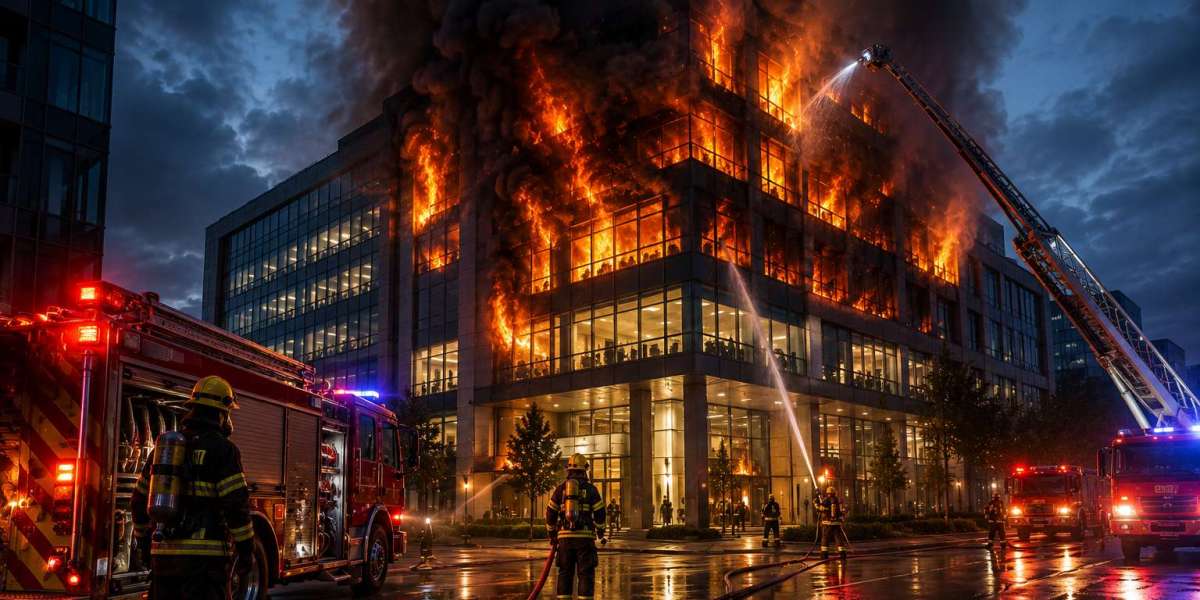

A single overlooked clause in an updated code can stall a project for months. That's why tracking building code changes has become a real job, not a once-a-year glance at a regulator's website. Regulators across the Gulf, Australia, and North America have been revising codes faster than usual, and knowing what changed is the difference between a smooth approval and a redesign nobody budgeted for.
Why are codes moving faster than they used to
Saudi Arabia's SBC 201 and SBC 801 jumped to their 2024 edition on 1 July 2025, the first major revision since 2018, bringing the code closer to the International Fire Code. Australia's National Construction Code still runs on its three-year cycle, but amendments show up between full editions too. In the UAE, Civil Defense doesn't wait for a scheduled update at all. It issues technical circulars throughout the year, and a project approved under last year's assumptions can find itself facing a new requirement before construction even wraps up.
Reading past the headline changes
Not every update makes the news. Some of the more consequential building code changes hide in occupant load tables, egress calculations, or fire command center sizing rather than in a big new mandate. Under the SBC 2024 revision, the occupant load factor for business occupancies moved from 9 to 14 square meters per person, which quietly changes how many exits a floor plate needs. Fire command center dimensions used to be fixed at 19 square meters. Now they scale with the size of the building. These are exactly the details a team misses when it assumes “the code hasn't really changed.”
A few habits help here:
• Compare the new edition against the old one, clause by clause, for anything touching your building class
• Confirm which transition provisions apply if the project already has approval under the previous edition
• Flag anything uncertain to the authority having jurisdiction early, rather than waiting to find out at plan review
The ADCDA Technical Circular takes effect in Abu Dhabi
Abu Dhabi is a good case study in how much a single circular can move the goalposts. An ADCDA Technical Circular doesn't follow a fixed release schedule, so a design signed off six months ago might already be out of step with the current one. Recent circulars have tightened requirements around firestopping contractor certification and facade inspection procedures, and projects that skip checking each new ADCDA Technical Circular against their current design risk finding out about a gap during a site inspection rather than before it.
What it actually costs to get this wrong
Non-compliance rarely announces itself as one dramatic failure. It shows up as a rejected submission weeks before a milestone, an undersized fire pump room, or a facade system that no longer meets a revised standard. Redesigning after tender costs far more than a code review at the concept stage would have, and a missed egress requirement can ripple through structural and mechanical design in ways nobody anticipated. This is why fire safety consultants get pulled into projects earlier now, while their input can still shape the layout instead of just checking it later.
Tracking changes across more than one jurisdiction
Teams working across borders need to watch more than one system at once:
• UAE Civil Defense amends the Fire and Life Safety Code of Practice through rolling circulars
• Saudi Arabia's SBC editions come with published transition dates
• Australia updates the NCC every three years, with timber provisions expanding in recent cycles
• Canada and the US update model codes and NFPA standards on staggered schedules that vary by state or province
A compliance matrix kept live for each active jurisdiction, rather than relied on from memory, is the only reliable way to avoid a nasty surprise.
Conclusion
Building code changes aren't going to slow down, and treating a code review as something you do once at kickoff is a real risk. The safer path pairs continuous monitoring with someone actually reading each new ADCDA Technical Circular or edition update as it lands and weighing what it means for your project specifically. If your work spans more than one jurisdiction, it's worth having your design checked against the current requirements before drawings get locked in.
FAQs
1. How often do building codes actually change?
It depends on where you're building. Australia runs on a fixed three-year cycle for major editions, while UAE Civil Defense issues circulate throughout the year rather than on a set schedule.
2. What happens if my project was approved under an older code edition?
However, most regions provide for a transition clause, where those who have obtained prior approval may operate as per the previous code. The specifics will differ, so one should contact the jurisdictional authority directly.
3. How does an ADCDA Technical Circular affect a project that's already approved?
It may come up with new criteria, including revised contractor certification and inspection process criteria that may even affect ongoing work, depending on the scope and applicability date of the circular.
4. Which parts of a code change most often?
Occupant load factors, egress requirements, fire resistance testing references, and facade provisions tend to see the most frequent revisions.
5. When should a fire safety consultant get involved?
It is best to use the concept/schematic design phase for this reason, as the layout needs to be informed by the code rather than vice versa.